We are a read-aloud family.
When I was a child, being read to was as much a part of our daily life as regular meals, especially when I was very young. Those times spent with my mom and dad reading favorite stories formed me as a reader and a writer. Later in school I was blessed with teachers who read to us as a class and really instilled the love of stories shared in community.
I love to read aloud. I think that I’ve always enjoyed reading aloud and performing, but I remember being affirmed by friends and adults as a young person that it was something that I’m quite good at. I later went on to training in theater skills including voice and diction. I loved it so much and found that I’m actually pretty good at mimicking different accents and voice tones.
Anywho, all that to say I really like reading aloud, so we do it regularly with gusto.
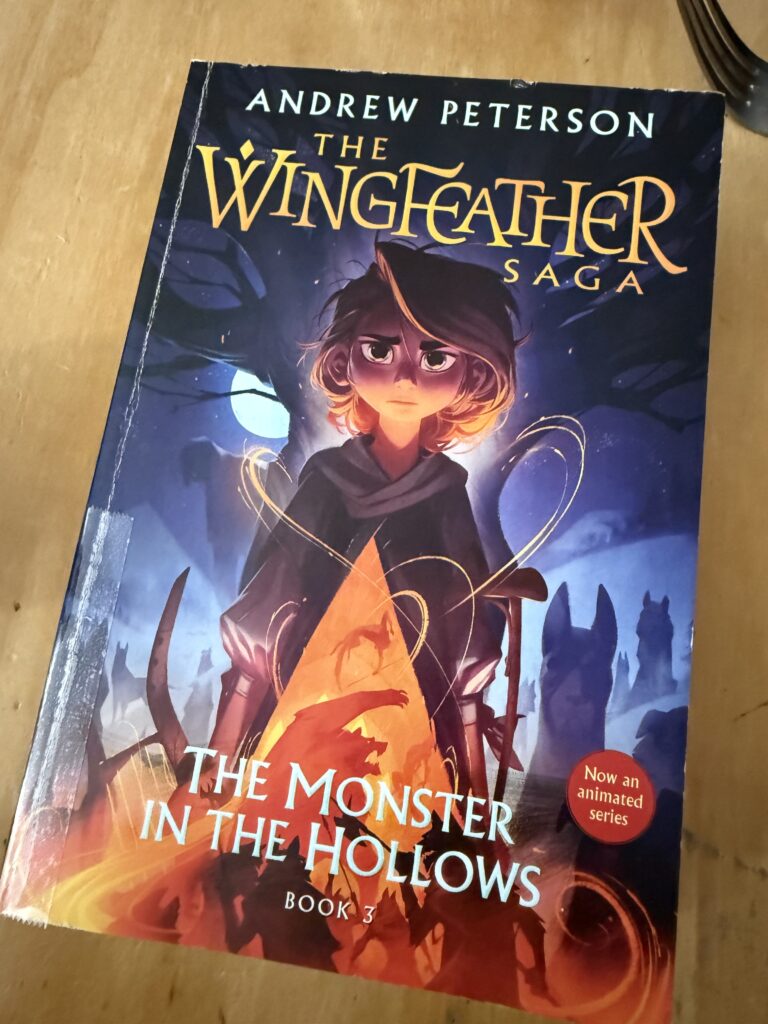
Some books are a lot of fun and are made of up of mostly funny moments and light peril. Books like those are great when your kids are really young are just getting into the habit of paying attention to longer narratives. I’m thinking of books like Beverly Cleary’s Ramona series or any of her other fantastic stories, or our family favorites, The Boxcar Children adventures. Eventually, however, your kids will benefit from stories with more meat and heavier plots. My children were ready for these meatier books pretty early on and we have enjoyed the journeys that we have taken together, but some have evoked deep emotion that we have faced and grown through together.
I’ve found that as we read hard, messy books together it’s really helpful to remind my kiddos ahead of time what a story arc looks like. Sarah Mackenzie at Read Aloud Revival has a great podcast on this, about reading sad books with your kids. She talks about explaining the story arc process so that kids know that the sad parts are part of an important plot element that eventually lead to a resolution.
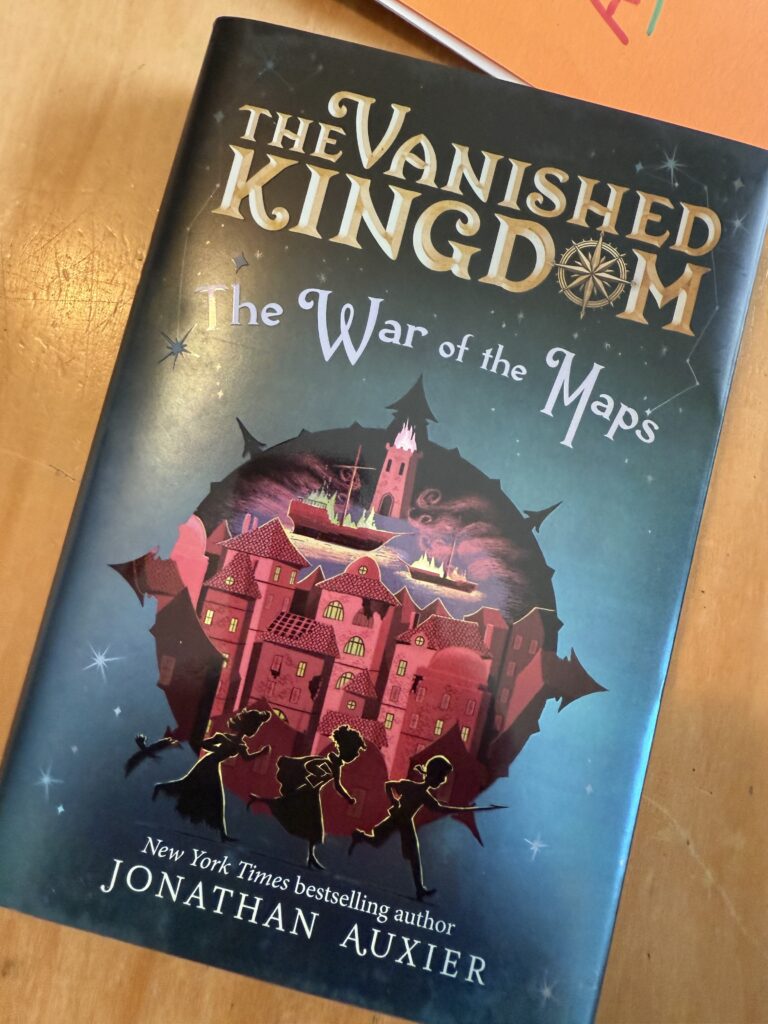
We recently finished the final book in Jonathan Auxier’s accidental “Hidden Kingdom” trilogy, “The War of the Maps.” Now, we are very invested in these characters after joining them in the first two books, not to mention the amazing side stories in the Fabled Stables. We feel like we know them and have deep-seated opinions about how their fates should be handled. All of the books have self-contained plots and follow this literary story arc independently, but Auxier did an incredible job of weaving the stories together as a whole in this final book. Although nothing starts slowly in Auxier’s stories, about 2/3 of the way through the book things took a hard turn and everything seemed hopeless. This was a great moment for us to walk through the cycle of the story arc and speculate how the story might end. When we do this it really gives my children ownership of the story, and I love that. We knew we could trust the author, and when we read those final pages with tears in some of our eyes we were prepared and satisfied with the journey he took us on.
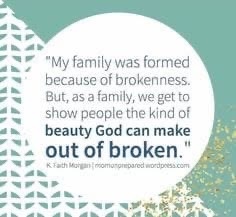
Our family is built through foster care adoption, which means that my kids have stories of their own. I’ve seen posts and comments on social media about sensitive kiddos not being able to handle hard topics or sad moments within stories, and I get that we don’t want to overwhelm our kids with topics or ideas that they are not mature enough to handle, but there is something valuable in inviting our children into stories that might not feel safe and comforting for the benefit of growth. Now, I am not advocating for sharing stories with children that are gory or inappropriate, but I am saying that our children live in a broken world and they all come from brokenness themselves. Encountering stories where the characters face and overcome hard things gives them courage as they face those hard things themselves. It gives us the opportunity to experiences these big feelings and hard questions with our children and discuss scenarios that, God willing, they will not encounter, but if they do some part of their being will not be unfamiliar with the hope that comes with knowing that we can trust The Author.
There is a quote from G.K. Chesterson that says “”Fairy tales do not tell children the dragons exist. Children already know that dragons exist. Fairy tales tell children the dragons can be killed”
I pray that every book that I choose to share with my children will remind my children that they are dragon slayers and that our stories have purpose.